

How (and Why) You Should Buy Seasonal Fruits in South Africa
South Africa grows a lot of fruit. A lot.
The country is one of the world’s leading fruit exporters, with the Western Cape alone accounting for roughly 60% of all deciduous fruit produced on the continent. Apples, pears, plums, peaches, citrus, grapes, berries, and stone fruit tumble off the trees and into the global supply chain every single year.
South Africa’s agricultural industry is remarkable, and South Africans are exceptionally fortunate to sit right in the middle of it. And yet, most of us are not eating as well as we could be. The supermarket shelf has conditioned shoppers to expect every fruit at every time of year, which sounds like abundance, but it is actually the opposite of it.
When fruit travels thousands of kilometres out of season, it is picked early, stored in controlled atmospheres, and arrives on the shelf having lost some of its nutritional value along the way.
Buying seasonal fruit in South Africa is a return to something that always made sense. And when you eat seasonally, there’s always some fruit or vegetable to look forward to.
What Are Seasonal Fruits in South Africa?
Seasonal fruit simply means fruit that is naturally ripe and ready to eat at a particular time of year, in a particular climate zone.
South Africa produces summer fruits like mangoes, litchis, and watermelons from November through to March, while citrus and subtropical fruits peak through the cooler months of May to September.
Because South Africa has multiple climate zones, from the lush subtropical KwaZulu-Natal coast to the dry Karoo interior and the cool, Mediterranean Western Cape, there is almost always something in season somewhere in the country.
And this is great news for health-conscious shoppers who want to eat well all year round.
Why Can You Buy Fruit Out of Season?
The modern food supply chain is extraordinary at keeping fruit available year-round.
Controlled atmosphere storage, cold chain logistics, and imports from countries in opposite hemispheres all contribute to the year-round supermarket shelf. But this convenience comes at a cost, and that cost is usually passed directly to the shopper. Prices fluctuate significantly based on seasonality. When a fruit is in peak local season, supply is high, and prices are lower.
When it is sourced out of season, it either arrives from cold storage (where quality degrades over time) or is imported from abroad, carrying the cost of freight, handling, and a longer supply chain.

According to Statistics South Africa, food price inflation has remained a persistent pressure on household budgets in recent years, making smart seasonal buying one of the most practical tools available to the everyday shopper.
There is also the question of taste. Fruit that has been picked at peak ripeness and sold within days simply tastes better. The sugars have developed properly, the texture is just right, and the nutritional content is at its highest. The difference between a fully ripe, in-season peach and one that has spent two months in cold storage is very much noticeable.
Seasonal Fruits, Month by Month
Old habits die hard, but if you are looking to get into the habit of buying locally and buying more in season, this is a guide to get you going:
Summer (November to February)
South African summers are generous.
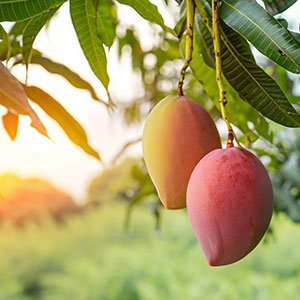
- Mangoes are at their sweetest from December through January, with the Tommie Atkins and Keitt varieties being widely available.
- Watermelons are plentiful and cool from November onwards.
- Litchis arrive in December and are gone again by mid-January, so they are worth catching when they appear.
- Figs are ripe and luscious in January and February.
- Stone fruits, including nectarines, peaches, and plums, are outstanding during the peak summer months and are best bought from local farm stalls where they have not spent unnecessary time in transit.
Autumn (March to May)
Autumn is when South African citrus begins its season in earnest.
- Navel oranges, which are among the finest eating oranges in the world, and they come into season from April.
- Lemons are available year-round, but are at their most abundant and affordable from March through June.
- Grapes stretch from late summer into April, with table grape varieties from the Western Cape and Northern Cape absolutely scrumptious.
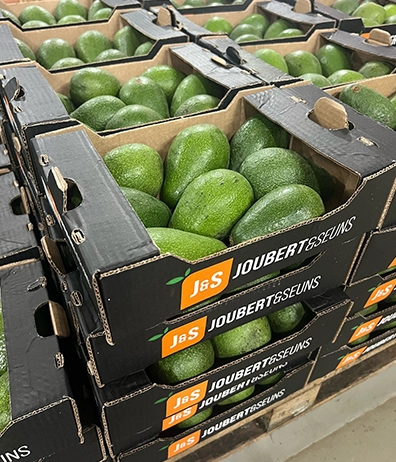
- Avocados also arrive in autumn, particularly the Hass variety, which comes from farms in Limpopo and KwaZulu-Natal, and if you live in either of these areas, you already know just how abundant the supply can be throughout the winter.
Winter (June to August)
Winter is citrus season, and it is a good one.
- Valencia oranges follow the navels and carry the citrus season through to September.
- Grapefruit is excellent from June.
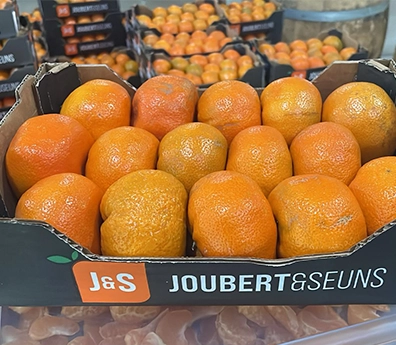
- Naartjies are a South African winter staple, sweet and easy to peel, and are best eaten straight from a farm stall bag.
- Lemons continue through winter and are particularly valuable during the cold months for their vitamin C content.
- Bananas are available year-round in South Africa, sourced primarily from the subtropical coastal regions, and their quality remains consistent through the winter months.
Spring (September to October)
Spring is a transitional season, and a good time to look for early stone fruits, which begin appearing toward October.
- Pineapples from the Eastern Cape and Mpumalanga are strong in spring.
- Pawpaws are plentiful, particularly in the warmer growing regions.
- Spring is also when strawberries start appearing from the Western Cape, ahead of their peak summer season.
Where to Shop for Seasonal Produce in South Africa?
The best seasonal fruit is rarely found in a large chain supermarket. It is found at farm stalls, at markets, and at producers who grow what they sell.
Joubert en Seuns Padstal is exactly this kind of place.
A warm, family-run gem rooted in genuine agricultural tradition, Joubert en Seuns grows and sells lemons, navel and Valencia oranges, and macadamia nuts, giving shoppers the kind of provenance and freshness that simply cannot be replicated by the industrial supply chain. When fruit comes from the tree to the stall with minimal handling and no cold storage in between, the difference in flavour, texture, and nutritional quality is immediate.
Seasonal shopping at a place like Joubert en Seuns is not about being precious about food. It is about eating well, supporting local agriculture, and getting genuine value for money. To find out more about what is in season and available at the stall, visit our website or have a look at our Facebook page, where you’ll also find our regular specials.
Frequently Asked Questions
What is Joubert en Seuns Padstal known for?
Joubert en Seuns Padstal is a family-run farm stall that grows and sells its own fresh produce, including lemons, navel and Valencia oranges, and macadamia nuts. It is known for the quality and freshness of its seasonal offerings, with a warm, welcoming character that reflects genuine agricultural roots.
When are oranges in season in South Africa?
Navel oranges are typically in season from April through June, while Valencia oranges follow from around June through to September. South Africa is one of the world’s top citrus exporters, and the quality of locally grown oranges during peak season is outstanding.
Why is seasonal fruit better for your health?
Fruit that is harvested at peak ripeness and sold quickly retains significantly more vitamins, minerals, and antioxidants than fruit that has been stored in controlled atmospheres or transported over long distances. Seasonal fruit is also free from the post-harvest treatments often used to extend shelf life, making it a cleaner, more nutritious choice for health-conscious shoppers.
Does seasonal fruit cost less in South Africa?
Yes, generally speaking. When local supply is at its peak, prices tend to drop because there is more fruit available and it does not need to be imported or sourced from cold storage. Buying in season at a farm stall or direct from a grower typically means better quality at a lower price than buying the same fruit off-season from a supermarket.
Where can I buy fresh seasonal fruit directly from a farm in South Africa?
Farm stalls are one of the best places to buy fresh seasonal produce in South Africa, as they typically sell fruit grown on or near the property. Joubert en Seuns Padstal is a well-regarded example, growing and selling their own citrus and macadamia nuts. Visiting local farm stalls and markets in your region is a reliable way to access genuinely fresh, in-season produce throughout the year.


